





Smeglutide is a new long-acting glucagon like peptide-1 receptor agonist (GLP-1RA), which is composed of 17 kinds of 31 amino acids. Its structure is similar to the natural human glucagon like peptide-1 (GLP-1), and has up to 94% amino acid sequence homology. It is mainly used to treat type 2 diabetes and its related complications. At the same time, it also shows broad application prospects in the fields of weight loss and cardiovascular disease prevention. At present, it has been approved by the European Union to reduce the risk of heart disease, stroke, and even cancer in overweight/obese adults with cardiovascular disease. In the field of weight loss, semaglutide also performs well, significantly reducing the risk of major adverse cardiovascular events in patients, including cardiovascular death, non fatal myocardial infarction, etc.
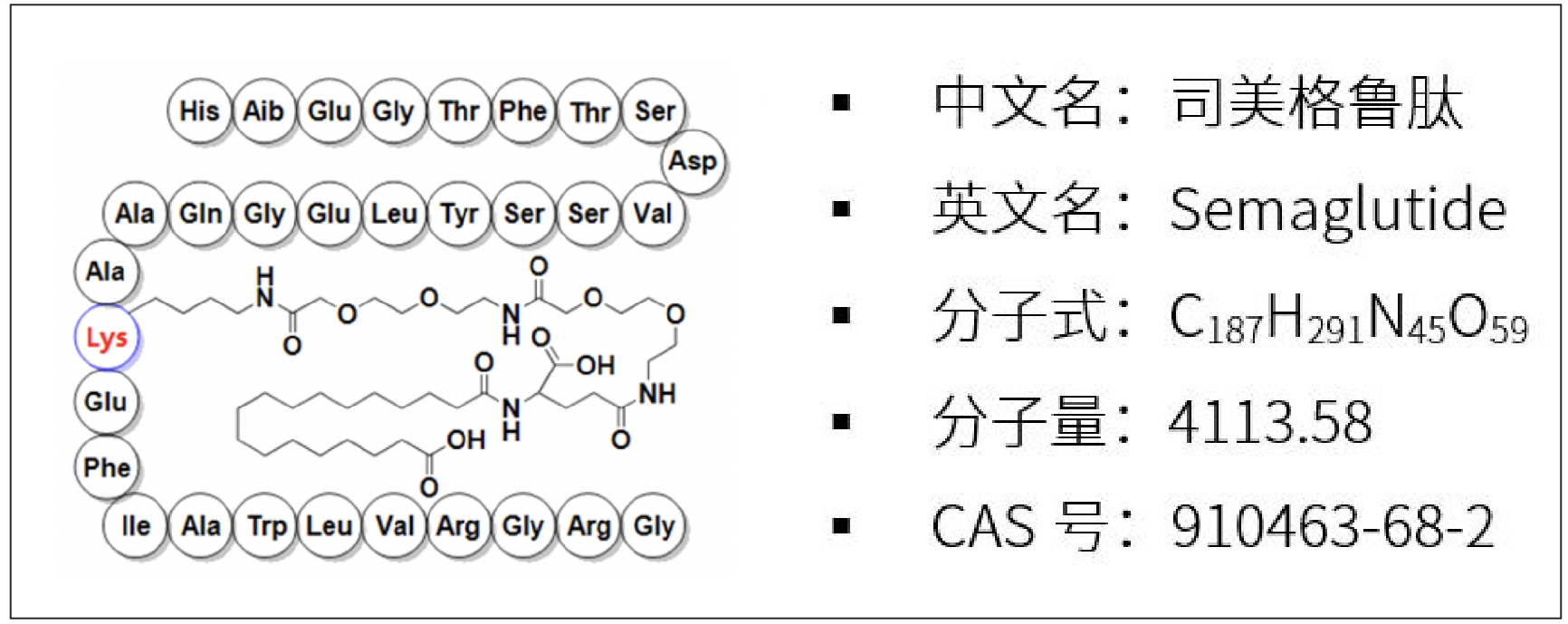
Figure 1. Information on Simeglutide Compounds
In the pharmaceutical research of chemically synthesized peptide drugs, amino acid composition and ratio analysis are important quality control projects. Amino acid composition analysis is an effective method for identifying peptide/protein drugs. Specific peptides/proteins are composed of specific amino acids, and determining the content of each amino acid is an effective means of controlling product quality.
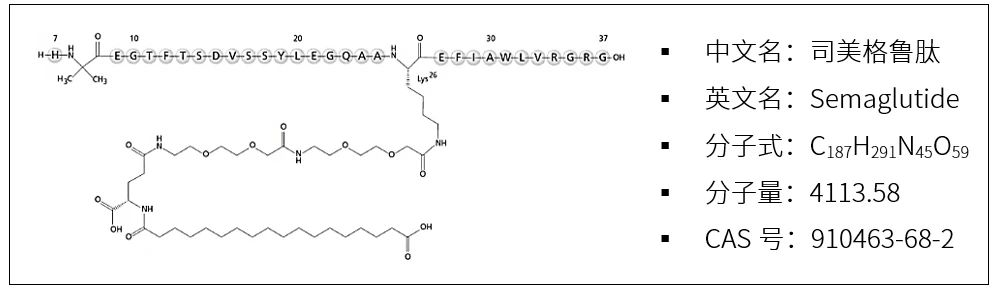
Figure 2. Molecular structure diagram of semaglutide
In this study, semaglutide samples were subjected to hydrochloric acid hydrolysis and sodium hydroxide hydrolysis respectively with reference to relevant guidelines. Combined with Chromai automatic pre-column derivatization amino acid analysis techniques using OPA and FMOC, the amino acid composition of semaglutide was determined, and the results were compared with the theoretical amino acid composition and ratios.
Instruments and Equipment:
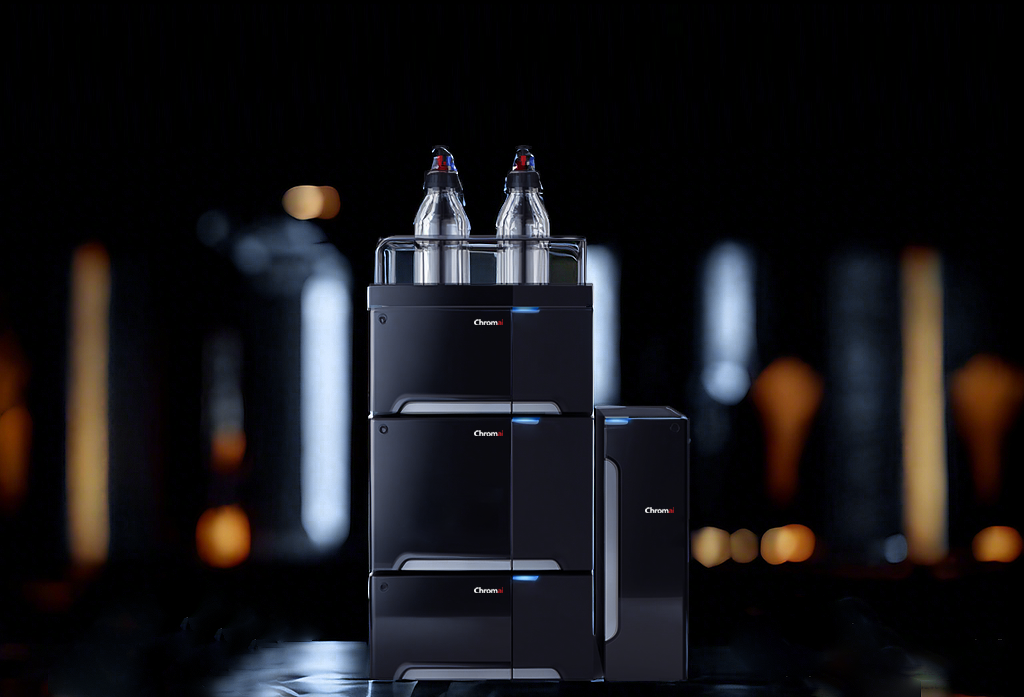
Chromai Leaps system (quaternary pump P40, autosampler A10CV, column oven C10, UV detector D10)
Conclusion
Seventeen amino acids were detected in the Simeglutide sample, which are consistent with the theoretical amino acid composition. The relative error between the amino acid ratio and the theoretical value is within 10%, indicating accurate results.