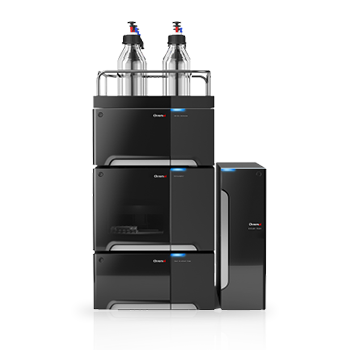








Compliance Empowers Pharmaceutical Research, Full Process Quality Control Solution
Biopharmaceuticals and Pharmaceuticals
We provide carefully designed end-to-end services aimed at optimizing analysis, ensuring that you have confidence in every stage from research and development to quality control, thereby accelerating the process. Targeting core scenarios such as biopharmaceutical research and development, raw material testing, formulation quality control, and stability research, we adapt to strict industry compliance requirements such as GMP and GLP. With the support of a bio inert liquid phase system and an intelligent data management platform, we achieve precise sample separation and full traceability of data, fully empowering drug research and development, optimizing quality control processes, and helping pharmaceutical companies overcome R&D bottlenecks and strictly control product quality.

Amoxicillin (CAS No. 26787-78-0), also known as hydroxyampicillin, is a widely used broad-spectrum β-lactam penicillin antibiotic. It is unstable under conditions such as high temperature, light exposure, acidic or alkaline environments, and oxidation. Clinical studies have shown that its polymerized impurities may cause allergic reactions. Therefore, related substances generated during production and storage directly affect product quality and clinical safety.
According to the Chinese Pharmacopoeia (2020), related substances of amoxicillin are analyzed using HPLC-UV with a mobile phase consisting of potassium dihydrogen phosphate and acetonitrile. However, the presence of non-volatile phosphate salts makes it incompatible with direct mass spectrometry analysis.
To address this, an online column-switching two-dimensional liquid chromatography (2D-LC) method is applied. Target impurity peaks from the first dimension are transferred via valve switching to a second column, where online desalting is performed. A mass spectrometry-compatible mobile phase is then used for qualitative analysis.
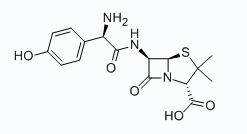
Figure 1 Structural Formula of Amoxicillin (MW 365.4)
Instrument System:
Chromai Two-Dimensional Liquid Chromatography System (dual ternary pump P60, autosampler A10C, column oven C10V2 equipped with two 2-position 6-port valves as standard, UV detector D10)
Chromai Triple Quadrupole Mass Spectrometer (TQ5000)
Conclusion
This approach enables rapid qualitative analysis of six trace impurities in amoxicillin. Structural identification is achieved through MS/MS fragmentation, providing valuable support for quality control of amoxicillin active pharmaceutical ingredients (APIs).
Ganmao Qingre Granules are composed of 11 traditional Chinese medicinal herbs, including Schizonepeta, mint, Saposhnikovia, Bupleurum, perilla, pueraria, platycodon, bitter apricot seed, angelica dahurica, taraxacum, and reed rhizome. They are included in the Chinese Pharmacopoeia and are used for dispelling wind and cold, relieving exterior syndromes, and clearing heat. Clinically, they are used to treat wind-cold type common cold, characterized by headache, fever, chills, body aches, clear nasal discharge, cough, and dry throat.
According to the Chinese Pharmacopoeia (2020 edition), this study determines the content of puerarin, an active component in Ganmao Qingre Granules, and performs method validation.The results demonstrate that the determination of puerarin using the Chromai Leaps UHPLC system fully meets the requirements of the Chinese Pharmacopoeia, with excellent accuracy and sensitivity.
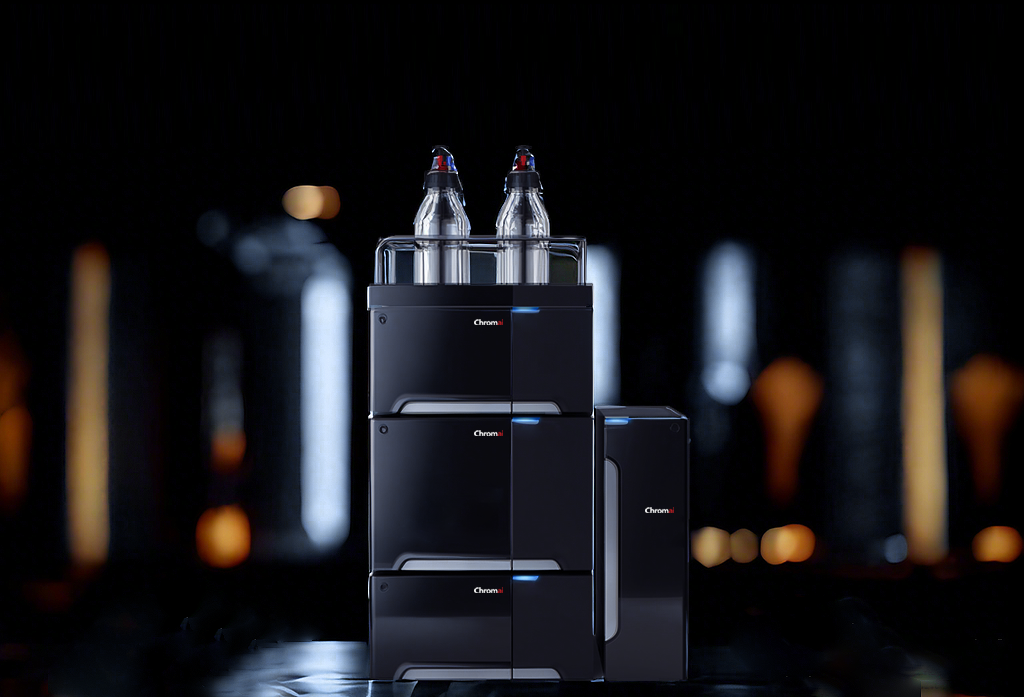
Instrument:Chromai Leaps UHPLC System
Conclusion:
Theoretical plate number calculated based on the puerarin peak was 10,293 (Pharmacopoeia requirement: not less than 4,500).The content of puerarin per sachet in Ganmao Qingre Granules was 11.27 mg (Pharmacopoeia requirement: not less than 10 mg per sachet).The linear range of puerarin was 43 μg to 215 μg (r = 0.9999).All test results comply with the standards specified in the Chinese Pharmacopoeia for Ganmao Qingre Granules.In addition, the instrument demonstrated a stable baseline with low noise, fully meeting analytical requirements.
Yinqiao Jiedu Granules are composed of 9 traditional Chinese medicinal materials including Lonicerae Japonicae Flos, Forsythiae Fructus, Menthae Haplocalycis Herba, Schizonepetae Herba, etc. They are a collection item in the Pharmacopoeia of the People’s Republic of China and have the effects of relieving exterior syndrome with pungent and cool-natured drugs, and clearing away heat and detoxifying. They are used for wind-cold cold, headache and fever, aversion to cold and body pain, cough and dry throat.
In accordance with the method for the determination of chlorogenic acid in Yinqiao Jiedu Granules specified in the Pharmacopoeia of the People’s Republic of China (2020 Edition), this paper determined the active ingredient chlorogenic acid in Yinqiao Jiedu Granules and carried out methodological validation. The experimental results show that the determination of chlorogenic acid in Yinqiao Jiedu Granules using the Chromai Leaps UHPLC system fully meets the requirements of the Pharmacopoeia of the People’s Republic of China, with an accurate and sensitive method.
??Experimental Instruments
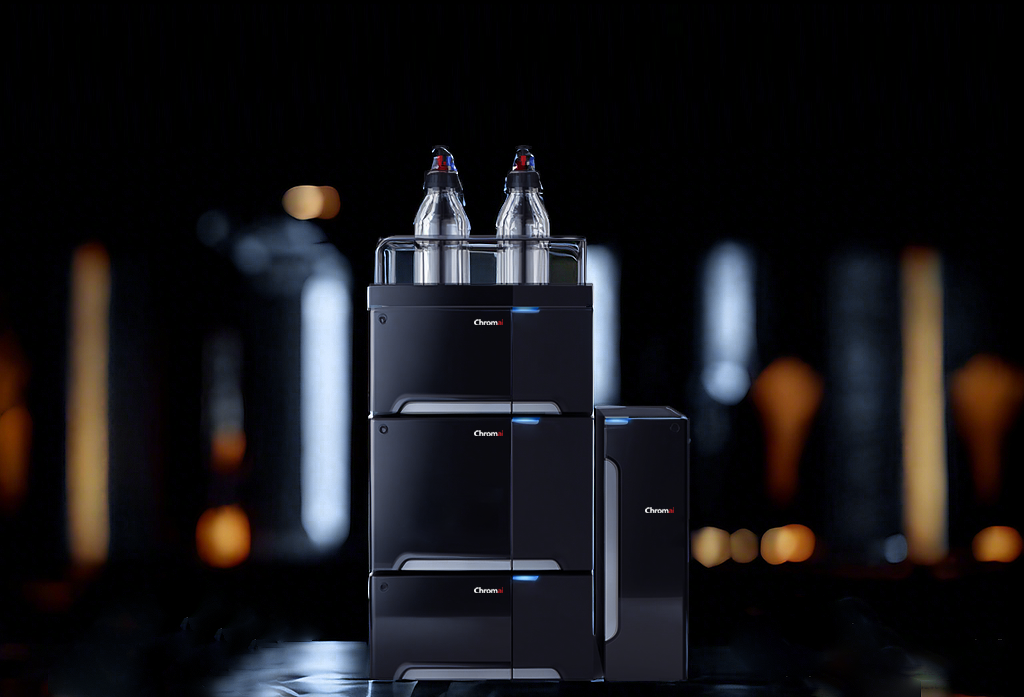
Chromai Leaps Ultra-High Performance Liquid Chromatography System
??Conclusion
In this study, based on the chlorogenic acid peak, the theoretical plate number was 10468 (the pharmacopoeia requirement is no less than 3000). Each bag of Yinqiao Jiedu Granules contains 6.4 mg of chlorogenic acid calculated as Lonicerae Japonicae Flos (the pharmacopoeia requires no less than 6 mg per bag). The qualitative repeatability was 0.096%, quantitative repeatability 0.255%, and the linear range was 0.03 μg~0.3 μg (r=0.9999).
All test results fully meet the standard requirements for Yinqiao Jiedu Granules in the Pharmacopoeia of the People’s Republic of China. In addition, the instrument features a stable baseline and low noise, fully satisfying analytical requirements.
Voglibose is an antidiabetic drug used to improve postprandial hyperglycemia. As an α-glucosidase inhibitor, it suppresses the activity of intestinal disaccharidases (such as sucrase, maltase, and lactase), thereby slowing the breakdown and absorption of carbohydrates. This helps reduce the rise in blood glucose and assists in controlling postprandial glucose levels. Because voglibose has no UV absorption, the pharmacopoeia recommends a method using post-column derivatization combined with fluorescence detection.
This application is based on the Chinese Pharmacopoeia method for voglibose analysis. An amino column is used for separation with phosphate buffer and acetonitrile as the mobile phase. Taurine and sodium periodate are used as the derivatization reagents for post-column reaction, followed by detection with a fluorescence detector. The method offers a high degree of automation, excellent stability, high sensitivity, and easy operation, making it suitable for the quantitative analysis of voglibose in voglibose tablets.
In this application, the Chromai Leaps UHPLC system combined with the R10 post-column derivatization unit was used to evaluate the analytical method for determining voglibose content, following the Chinese Pharmacopoeia. Within the linear range, the correlation coefficient was greater than 0.9999. The retention time precision was 0.15%, peak area precision was 1.14%, and the limit of detection (LOD) was 0.012 μg/mL, meeting the requirements of the pharmacopoeia.
Lactose is a widely used pharmaceutical excipient that serves as a filler, diluent, binder, glidant, lubricant, stabilizer, and sweetener. It is broadly applied in the manufacture of tablets, capsules, granules, and oral liquids. Although lactose is generally regarded as safe, lactose-intolerant patients must exercise caution when using lactose-containing medications, as consumption may trigger symptoms such as bloating and diarrhea. For this reason, lactose, as a mandatory excipient, must be clearly stated in the product ingredient list (including packaging and package inserts).
This application note references the lactose testing method described in the Pharmaceutical Excipients section of the Chinese Pharmacopoeia (2025 Edition, Volume IV). A Chromai Ultra-High Performance Liquid Chromatograph (UHPLC) equipped with an amino column for separation and a Refractive Index Detector (RID) for detection was employed to accurately determine the lactose content in pharmaceutical excipients.
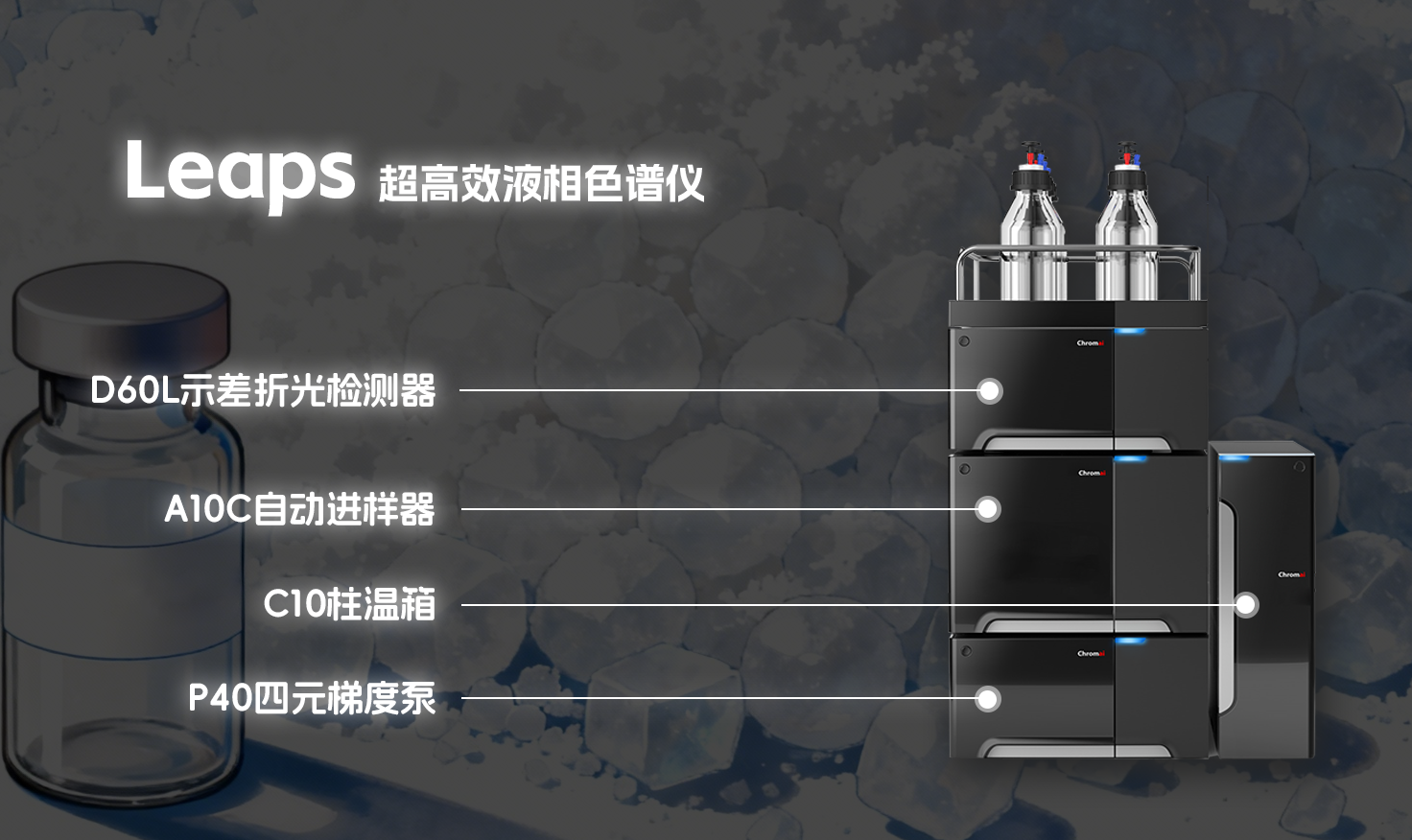
This method was established with reference to the lactose testing requirements in the Chinese Pharmacopoeia (2025 Edition, Volume IV — Pharmaceutical Excipients). Using the Chromai Leaps UHPLC system equipped with an amino column and a Refractive Index Detector, the method demonstrated the following key performance characteristics:
- ?Excellent system suitability: resolution between sucrose and lactose = 3.2 (≥ 1.5, compliant with pharmacopoeia)
- ?Outstanding linearity: R = 0.9999 over the range 0.20 ~ 10.0 mg/mL
- ?High sensitivity: limit of detection = 0.016 mg/mL
- ?Superior repeatability: retention time RSD = 0.06%; peak area RSD = 0.26%
Small interfering RNA (siRNA) therapeutics are among the most promising treatment approaches, offering high specificity, broad target range, and long-lasting effects. siRNA typically consists of double-stranded RNA sequences with 19–23 nucleotides, and chemical synthesis is the most direct and reliable method for their production.For purity and impurity analysis of siRNA, commonly used liquid chromatography methods include ion-pair reversed-phase chromatography and ion-exchange chromatography.In this study, the Chromai Leaps Pro Bio bio-inert LC system was used with anion-exchange chromatography to rapidly separate the sense strand, antisense strand, and related impurities in siRNA drugs.The results demonstrate that the system provides reliable performance, with peak shapes and analytical results comparable to those of leading international bio-inert systems.The Leaps Pro Bio system fully meets the requirements for bio-inert LC systems in nucleic acid drug analysis and can be widely applied to purity and impurity analysis of nucleic acid-based therapeutics.
Enables efficient analysis of biological samples
True bio-inert flow path design
Corrosion-resistant and low-adsorption system
Suitable for biological and extreme pH applications
Ensures stable and reliable analysis
Advanced Bio-inert Design

1
PEEK, titanium, and other bio-compatible materials
2
Suitable for biological and extreme pH conditions
3
Minimizes sample loss caused by metal adsorption
Advanced Sample Handling

1
Efficient integrated cooling system (4°C to ambient)
2
Expandable to 4 sample trays (216 or 384 positions)
3
High reproducibility with no sample loss
Smeglutide is a new long-acting glucagon like peptide-1 receptor agonist (GLP-1RA), which is composed of 17 kinds of 31 amino acids. Its structure is similar to the natural human glucagon like peptide-1 (GLP-1), and has up to 94% amino acid sequence homology. It is mainly used to treat type 2 diabetes and its related complications. At the same time, it also shows broad application prospects in the fields of weight loss and cardiovascular disease prevention. At present, it has been approved by the European Union to reduce the risk of heart disease, stroke, and even cancer in overweight/obese adults with cardiovascular disease. In the field of weight loss, semaglutide also performs well, significantly reducing the risk of major adverse cardiovascular events in patients, including cardiovascular death, non fatal myocardial infarction, etc.
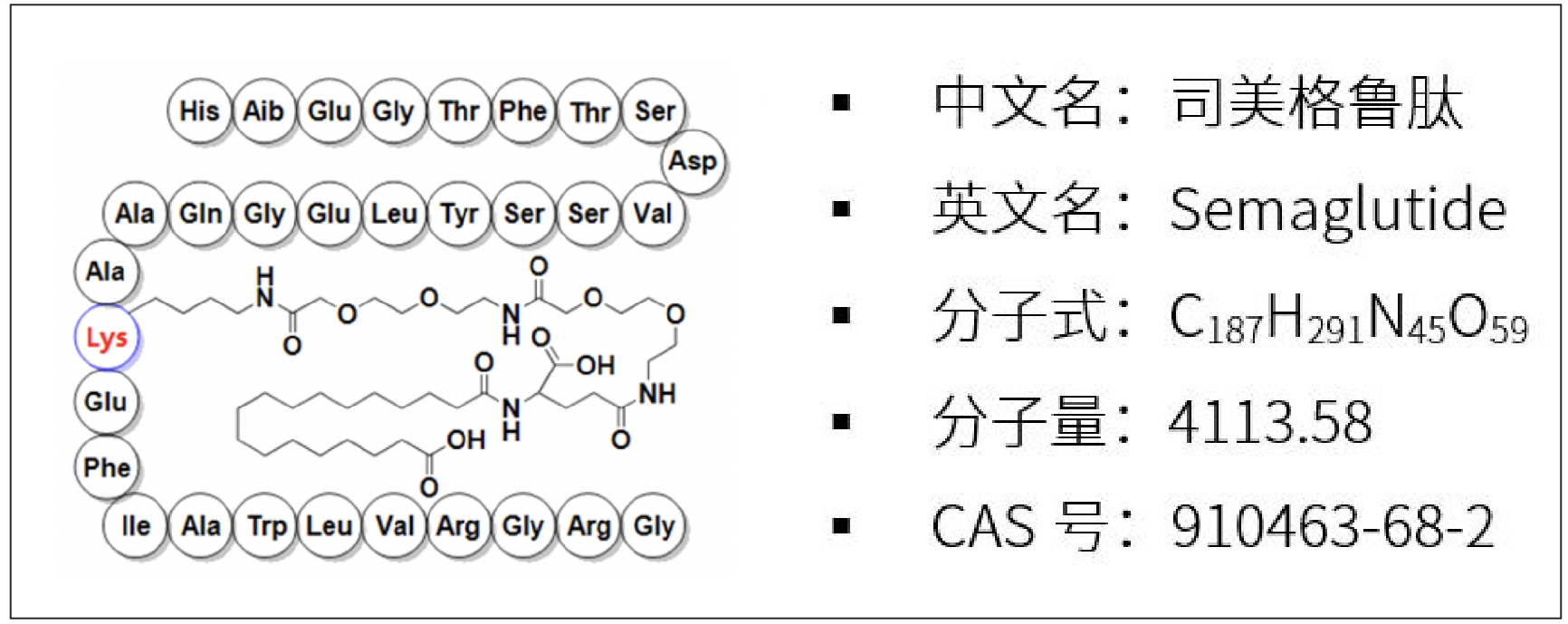
Figure 1. Information on Simeglutide Compounds
In the pharmaceutical research of chemically synthesized peptide drugs, amino acid composition and ratio analysis are important quality control projects. Amino acid composition analysis is an effective method for identifying peptide/protein drugs. Specific peptides/proteins are composed of specific amino acids, and determining the content of each amino acid is an effective means of controlling product quality.
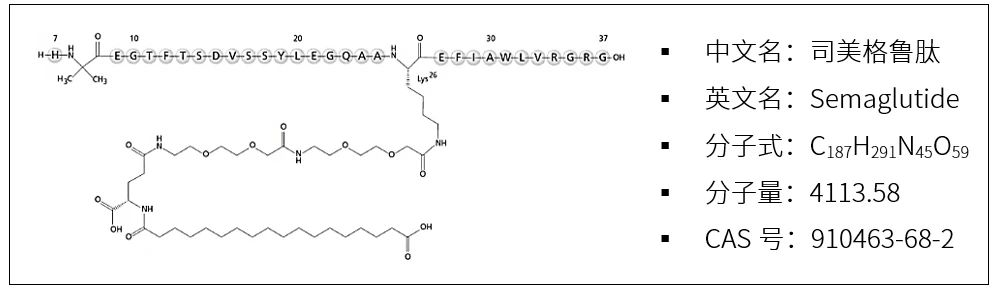
Figure 2. Molecular structure diagram of semaglutide
In this study, semaglutide samples were subjected to hydrochloric acid hydrolysis and sodium hydroxide hydrolysis respectively with reference to relevant guidelines. Combined with Chromai automatic pre-column derivatization amino acid analysis techniques using OPA and FMOC, the amino acid composition of semaglutide was determined, and the results were compared with the theoretical amino acid composition and ratios.
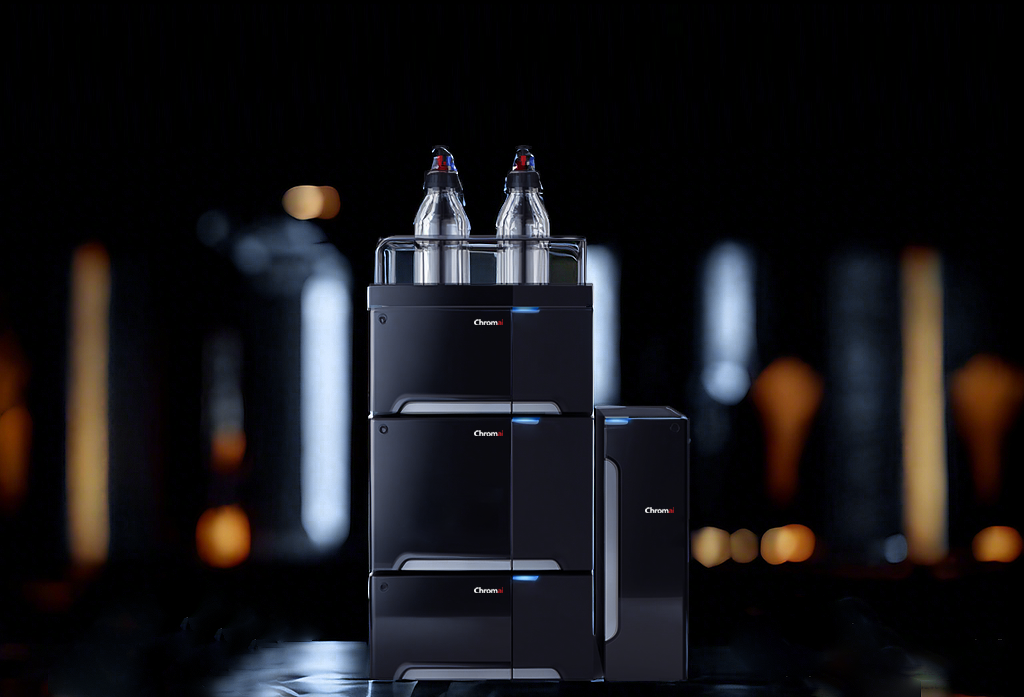
Instruments and Equipment:
Chromai Leaps system (quaternary pump P40, autosampler A10CV, column oven C10, UV detector D10)
Conclusion
Seventeen amino acids were detected in the Simeglutide sample, which are consistent with the theoretical amino acid composition. The relative error between the amino acid ratio and the theoretical value is within 10%, indicating accurate results.